
Training observers, understanding birds
Theoretical training in handling wild birds, focusing on ethics, law, safety and good practice.
Design and delivery of a training course for the future assistant bird ringers at Lac de Bret, giving them the scientific, practical and regulatory basics they need to take part in ringing operations.
Training in bird ringing
Bird ringing is a research method used to study the biology, ecology, movements, breeding and demography of birds. The training aimed to give future assistant ringers the knowledge they need to take part in field operations under the supervision of a licensed ringer.
From monitoring to fieldwork
The course presents the main aims of monitoring programmes: following populations over time, documenting their phenology and breeding, studying migration and detecting long-term change. Lac de Bret is also presented as a site with important biodiversity value, in particular because of its wetlands and riparian vegetation.
Handling birds with rigour
A large part of the training is devoted to handling wild birds: anatomy, handling techniques and recognising situations that require quick action. The emphasis is on progressing through experience and recognising one's own limits.
Safety and good practice
The training also covers the risks to birds and to people, and the measures that reduce them. It deals in particular with signs of stress, priority species and individuals, net maintenance and checks, and good practice on site.
A site where biodiversity and fieldwork meet
Lac de Bret is a particularly interesting setting: its wetlands and vegetation have high ecological value, while field activities must be carried out with minimal disturbance to wildlife and trampling of vegetation.
This project illustrates the approach of bmgr environmental consulting: passing on scientific expertise that can be applied directly in the field, linking knowledge of ecosystems, data collection and conservation practice.
Deliverables
- Theoretical training for the future assistant bird ringers at Lac de Bret
- Training materials
Do you have a similar project?
Tell us about your context: we reply within two working days.
Other projects
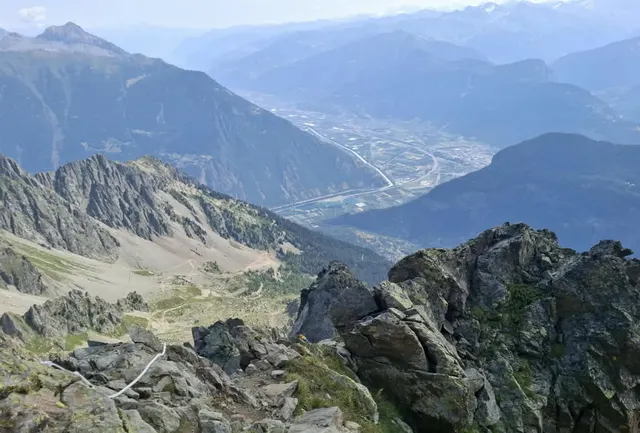
A century of change in alpine flora 2026
A century after the surveys of botanist Denis Coquoz, seven high-altitude sites in the Vallée du Trient Regional Nature Park were revisited to measure how their flora has changed.
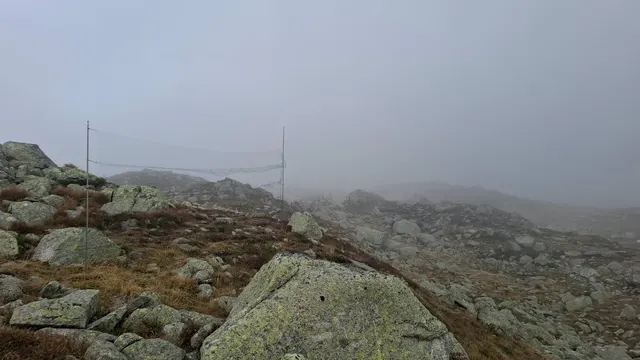
At the heart of alpine migration 2026
Monitoring of migrating birds and raptors at the Pfitscher Joch in Tyrol, combining observation, scientific marking and monitoring.
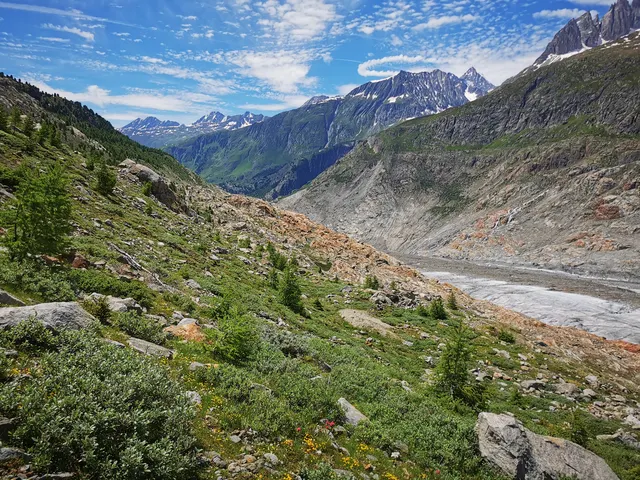
Eight decades of vegetation at the edge of the Aletsch Glacier 2026
Archives since 1943, surveys repeated in 2024 and aerial photographs analysed with deep learning: reconstructing vegetation change at the edge of the largest glacier in the Alps.